Selecting Pest Control Keller TX plan is a critical step in protecting any property from the risks and disruptions caused by infestations. Whether dealing with insects, rodents, or other unwanted intruders, the process is far more complex than simply applying a treatment and hoping for immediate results. Modern pest control is a structured, science-based service that begins with a thorough inspection and continues through customized treatment, monitoring, and long-term prevention. Understanding what to expect at each stage allows property owners to make informed decisions and ensures that the chosen plan delivers lasting value.
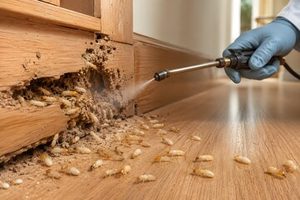
Pest control is not a one-size-fits-all solution. Each infestation presents its own unique challenges, influenced by factors such as the type of pest, the size of the property, environmental conditions, and the severity of the problem. This is why professional pest control plans are designed to be highly tailored. Rather than relying on generic treatments, experts take a systematic approach to identify the root cause of the issue and develop a targeted strategy that addresses both immediate concerns and future risks.
The process typically begins with a comprehensive inspection, which serves as the foundation of any effective pest control plan. During this stage, professionals conduct a detailed assessment of the property, examining both interior and exterior areas. The goal is to identify not only the presence of pests but also the conditions that are allowing them to thrive. This may include locating entry points, identifying food and water sources, and detecting signs of nesting or breeding. A thorough inspection goes beyond what is visible on the surface, often uncovering hidden issues that would otherwise go unnoticed.
Inspection is also the stage where pest identification takes place, a crucial factor in determining the appropriate course of action. Different pests require different treatment methods, and misidentification can lead to ineffective or even counterproductive results. Professionals rely on their knowledge of pest behavior and biology to accurately diagnose the problem, ensuring that the treatment plan is based on precise information rather than assumptions.
Once the inspection is complete, the next step is the development of a customized pest control plan. This plan outlines the recommended treatments, the timeline for implementation, and any necessary follow-up actions. A well-designed plan takes into account the specific characteristics of the property and the nature of the infestation. It also considers the preferences and concerns of the property owner, such as the desire for eco-friendly solutions or minimal disruption to daily activities.
An effective pest control plan typically includes several key components working together to achieve optimal results. These components are carefully selected and coordinated to address both the symptoms and the underlying causes of the infestation. The integration of multiple strategies ensures a more comprehensive and sustainable approach.
To better understand what goes into a professional pest control plan, consider the following essential elements:
- Detailed Inspection and Risk Assessment
This initial phase involves identifying pest species, assessing the extent of the infestation, and evaluating environmental factors. The information gathered during this stage forms the basis for all subsequent actions. - Targeted Treatment Application
Based on the findings of the inspection, professionals apply treatments specifically designed for the identified pests. These may include chemical, biological, or mechanical methods, depending on the situation. Precision is key, as treatments are applied only where needed to maximize effectiveness and minimize impact. - Exclusion and Preventive Measures
Preventing pests from entering the property is a critical aspect of long-term control. This may involve sealing cracks, repairing structural issues, and implementing barriers that deter pests from gaining access. - Monitoring and Follow-Up Visits
Pest control does not end with the initial treatment. Ongoing monitoring ensures that the problem is fully resolved and helps detect any signs of reinfestation. Follow-up visits allow for adjustments to the plan as needed. - Client Education and Maintenance Guidance
Property owners play an important role in maintaining a pest-free environment. Professionals provide recommendations on sanitation, storage, and maintenance practices that support the effectiveness of the treatment plan.
One of the defining features of modern pest control plans is their emphasis on prevention. While eliminating existing pests is essential, preventing future infestations is equally important. This proactive approach not only reduces the likelihood of recurring problems but also minimizes the need for repeated treatments. By addressing the conditions that attract pests, professionals create an environment that is less hospitable to them over the long term.
Another important consideration when choosing a pest control plan is the balance between effectiveness and safety. Modern treatments are designed to be both powerful and responsible, targeting pests while minimizing risks to humans, pets, and the environment. Professionals are trained to use these products correctly, following strict guidelines to ensure safe application. For many property owners, this level of expertise provides peace of mind that cannot be achieved with over-the-counter solutions.
Communication is a key factor in the success of any pest control plan. From the initial consultation to the final follow-up, clear and consistent communication ensures that all parties are aligned. Professionals explain the findings of the inspection, outline the proposed plan, and provide updates on progress. This transparency helps build trust and allows property owners to understand the value of the services being provided.
The timeline of a pest control plan can vary depending on the severity of the infestation and the type of pest involved. Some issues can be resolved relatively quickly, while others may require multiple treatments over an extended period. It is important to set realistic expectations and understand that effective pest control is often a process rather than a one-time event. Patience and consistency are essential for achieving lasting results.
Cost is another factor that often influences the choice of a pest control plan. While it may be tempting to opt for the least expensive option, it is important to consider the long-term value of the service. A well-designed plan that effectively eliminates pests and prevents future infestations can save high costs over time by reducing damage and minimizing the need for repeated treatments. Investing in quality pest control is ultimately a cost-effective decision.
When evaluating different pest control plans, property owners should consider several important criteria:
- Scope of Services
A comprehensive plan should cover inspection, treatment, prevention, and follow-up. Limited services may address immediate issues but fail to provide long-term protection. - Customization and Flexibility
The plan should be tailored to the specific needs of the property and adaptable to changing conditions. A rigid, one-size-fits-all approach is unlikely to deliver optimal results. - Use of Modern Techniques and Products
Advanced methods and formulations enhance both effectiveness and safety. Providers who stay up to date with industry developments are better equipped to handle complex infestations. - Transparency and Communication
Clear explanations of the process, costs, and expected outcomes are essential for building confidence and ensuring a positive experience.
In addition to these factors, it is worth considering the role of technology in modern pest control. Digital monitoring systems, data analysis tools, and advanced detection methods are increasingly being used to enhance accuracy and efficiency. These innovations allow for more precise targeting of pests and enable proactive management strategies that reduce the likelihood of large-scale infestations.
The importance of choosing the right pest control plan extends beyond immediate comfort and convenience. Infestations can pose serious risks to health, property, and overall quality of life. By addressing these issues promptly and effectively, professional pest control services help create safer and more comfortable living and working environments.
Ultimately, the success of a pest control plan depends on a combination of expertise, strategy, and collaboration. Professionals bring the knowledge and tools needed to address complex problems, while property owners contribute by following recommendations and maintaining good practices. Together, these efforts create a comprehensive approach that delivers lasting results.
In conclusion, choosing the right pest control plan involves more than selecting a service—it requires an understanding of the entire process, from inspection to treatment and beyond. By recognizing the importance of each stage and evaluating plans based on their comprehensiveness and effectiveness, property owners can make informed decisions that protect their investments and ensure long-term peace of mind. With the right approach, pest control becomes not just a reactive measure but a proactive strategy for maintaining a healthy, pest-free environment.