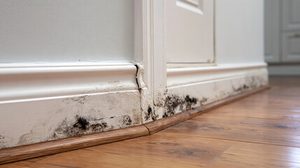
Water damage caused by sewer backups, severe storms, or faulty appliances weakens structures and causes health risks. If not addressed promptly, it can lead to mold growth and costly repairs.
The first step in water damage restoration is to remove standing water with high-powered pumps and vacuums. Hidden moisture in walls and insulation requires specialized equipment like fans and dehumidifiers for thorough drying. Contact Water Damage Repair Salt Lake City for more details.
Inspection and Assessment
Water damage can wreak havoc on your home, leading to structural deterioration and potentially dangerous mold growth. It’s important to seek professional help when the situation arises, as it can save you a lot of stress and money in the long run. The restoration process is a complex one that requires knowledge and expertise, including inspections, water extraction, drying and dehumidification, cleaning and disinfecting, carpentry repairs, and even mold remediation if necessary.
Before tackling any restoration work, experts carefully survey the affected area to identify all damaged areas and materials. This inspection can include the use of tools like infrared cameras and moisture meters to find water pockets that may not be visible to the naked eye. Professionals can then develop an appropriate mitigation, remediation, and restoration strategy.
Once the inspection is complete, the next step is to start removing standing water. This is a crucial phase, as it can significantly reduce the amount of water damage and prevent further deterioration. Professionals will typically use industrial-grade pumps and wet/dry vacuums to remove large volumes of water quickly.
After the water is removed, restoration professionals will focus on drying the affected area. They will monitor moisture levels with a variety of tools, and may conduct air balancing to ensure all affected materials are dried evenly. This can take a few days or up to a week depending on the severity of the water damage.
During this stage, professionals will also clean and sanitize all affected areas and materials. They will also address the source of the water intrusion and turn off electricity to eliminate safety risks. They will create room-by-room logs that detail floor type, wall and ceiling involvement, visual damage, moisture readings, and any other relevant information. This will allow for clearer communication with insurance carriers and an accurate assessment of the loss.
Once the affected areas and materials have been cleaned, sanitized, dried, and restored, they are ready for renovation. This can involve repairing or replacing building components, such as drywall and insulation. It might also require cosmetic repairs, such as painting and refinishing.
Water Extraction
When water intrusion occurs, it must be addressed promptly to minimize damage and avoid escalating repair costs. This is especially true if the source is a faulty appliance, a burst pipe, a severe storm or flooding from a sewer backup. It’s also critical for restoring a home’s structural integrity and eliminating lingering moisture that promotes mold growth.
Water extraction is a crucial step in water damage restoration, and it’s often one of the first services sought by property owners following a flood. Water extraction professionals work to identify and isolate the problem area, halt the flow of water, and remove standing water. This helps prevent significant structural damage, speeds up the drying process and limits the occurrence of mold growth.
The first step of this process is to conduct a thorough inspection and assessment. A professional will examine the affected areas to determine their level of saturation and categorize the type of water involved (clean, gray or black). This information helps the team decide on the best approach for the extraction and mitigation processes.
After the inspection, the water restoration crew will address safety hazards including loose furnishings, compromised electric sockets and damp walls. They’ll turn off electricity if necessary, and use moisture sensors and meters to assess the condition of materials and the amount of water that has penetrated them. This is important because if the structure absorbs too much water, it may collapse and cause additional damage.
Once it’s safe to proceed, the team will employ pumps and industrial vacuums to remove water from floors, ceilings and building cavities. This can be a time-consuming task depending on the volume of water and the complexity of the structure. During this phase, professionals also work to dry out the affected areas by using specialized drying systems and fans that circulate air over surfaces and expedite the evaporation of moisture. They’ll also use EPA-approved disinfection and sanitization solutions administered via foggers to kill bacteria and eliminate odors.
This step of the restoration process can take a few weeks to complete, but it’s an important part of the recovery process that reduces the risk of long-term water damage and enables homeowners to get back on their feet faster.
Reconstruction
Water damage caused by a burst pipe, severe storm, or faulty appliance can lead to structural issues and health risks. The restoration process involves inspecting the affected area, removing water, cleaning and disinfecting, and repairing or replacing damaged materials.
This is a crucial first step to protect the integrity of your home or commercial property. Inspecting the water damage and identifying the source will help to prevent further damage and save money by minimizing the amount of repair work needed. Inspecting areas of your property can also help identify hidden water damage, such as behind walls or underneath flooring. This information will be used in the inspection and assessment phase to develop a water removal and water remediation plan.
During this phase, restoration professionals will remove any remaining standing water from the property using industrial-grade pumps and wet vacuums. Depending on the amount of water involved, this can take up to a week. This is a critical part of the process because leaving water in place can lead to structural damage, mold growth, and other problems. In addition, the longer a material remains wet, the more difficult it is to dry and could require replacement.
Once all the water has been removed, technicians will use moisture meters and thermal imaging cameras to check the structure of your home or commercial property for any additional damage or moisture. This will give them a better idea of the timeline for the rest of the water damage restoration process.
The duration of this phase depends on the type and severity of water damage as well as the weather conditions. Warm, humid weather slows down the drying process while dryer, colder weather speeds it up. In addition, certain types of materials like drywall and carpet can take longer to dry than less-porous materials. During this stage, you may need to remove and replace furniture and personal items that have been affected by the flood.
Once all the water has been extracted and your property is dry, restoration experts will test for any signs of mold or mildew. If necessary, they will use specialized cleaning agents to eliminate any bacterial contamination and restore materials that have been severely affected by mold.
Documentation
Discovering water damage in your home is a chaotic event, but turning chaos into a structured process dramatically reduces risk, cost, and restoration time. This comprehensive water damage restoration checklist helps homeowners, insurance agents, and restoration contractors navigate the process from initial safety and stopping the source to final repairs and cleanup. It also provides a framework for streamlining insurance claims, and offers best practices for mastering documentation. This includes identifying and recording all damages, maintaining an inventory of water-damaged items, capturing moisture readings with moisture meters, creating proof-of-loss and damage documents, communicating clearly and consistently with clients and insurance adjusters, and documenting every step of the restoration process.
Water damage restoration is a multi-step process that involves inspection, assessment, and drying/dehumidification of affected areas and materials, cleaning and sanitizing contents, and making necessary repairs. It can also include mold remediation if necessary. The timelines for each component of the process can vary depending on a variety of factors, including the type and severity of water damage and the amount of work required to address it.
The water damage restoration timeline starts with a thorough inspection and assessment of the affected property, which is followed by a detailed estimate of the required repair and replacement services. This detailed scope of work is vital for both the insurance adjuster and the restoration contractor, as it ensures that all parties are aligned on the scope of the project and any associated costs.
Appliance reconnection: For kitchen appliances like dishwashers and disposals, the removal and professional reset may require careful disconnection for access, protection during construction, and proper reconnection upon completion. Baseboard and trim restoration: Water damage often affects decorative or structural elements such as baseboards and trim, requiring careful removal to preserve reusable materials, measurement and procurement of replacement pieces, and professional installation with matching finishes.
Insurance Adjusters are typically juggling multiple claims and may be prone to delaying or rejecting the rebuild estimate, which is why many restoration companies have policies in place such as Flood & Fire Solutions’ that rebuilds cannot begin until either 1.) insurance has approved the rebuild estimate and all related quotes, or 2.) you sign a letter of guarantee agreeing to cover any invoice whether insurance approves it or not.