How 3PL Companies Improve Shipping Efficiency

3PL Companies in California

3PL Companies in California are well-equipped to manage a company’s logistics processes, allowing companies to focus on product development and marketing. They also help companies streamline shipping efficiency, reduce costs and improve on-time delivery rates.

When selecting a 3PL partner, ask for customer reviews and case studies. Evaluate their warehouse locations, warehouse capacity and modes of transportation.

Flexibility and Scalability

A 3PL provides flexibility and scalability, making it easier to meet sudden or seasonal spikes in demand without costly overage. They can quickly reroute shipments, activate alternative warehouses or expand carrier capacity to handle increased workloads. They can also provide streamlined processes and a clearer picture of shipping costs, ensuring your business stays on track with its budget.

The scalability offered by 3PLs can be especially helpful for businesses expanding into new markets or sales channels. Opening new distribution centers, establishing international shipping routes and navigating customs compliance requires logistics infrastructure that can be prohibitively expensive and time-consuming to build in-house. However, a good 3PL provider already has these resources in place, making it possible to rapidly increase the reach of your digital or physical storefronts.

Many 3PL companies leverage their relationships with freight carriers to gain bulk discounts on materials and shipping rates. They can also reduce transportation expenses through techniques like cross-docking and warehousing consolidation. This helps them offer more cost-effective pricing to their clients while improving delivery on-time percentages and order fulfillment speeds.

By providing a more comprehensive and flexible approach to logistics, a 3PL company can free your internal staff to focus on innovation and customer service. In addition, they can help you implement technology solutions that streamline the shipping process, improve tracking and deliver real-time data that can guide decision-making. When choosing a 3PL, look for one with experience in your industry and an established track record of helping other companies achieve success. Ask about the company’s current client relationships to get a sense of its performance and problem-solving skills. You should also consider how they can help you meet regulatory and environmental compliance standards.

Expertise and Experience

When it comes to delivering goods to customers, a company’s ability to provide fast, reliable services can play a major role in building brand loyalty and repeat business. However, shipping inefficiencies and rising costs can eat away at a company’s bottom line. By outsourcing logistics operations to a trusted 3PL partner like Kingpost, businesses can reduce costs and improve efficiency while still maintaining the high-quality service that customers expect.

With years of industry experience, 3PL companies can help businesses optimize their logistics operations to drive efficiency and profitability. The process usually begins with a thorough consultation, where the 3PL will work with a business to identify their needs and pain points. Whether it’s a problem with damaged goods during shipment or inefficient delivery timelines, the 3PL will analyze data to pinpoint areas of improvement and create a customized logistics strategy.

This strategy typically includes implementing best practices in areas such as warehouse management, transportation and supply chain optimization. In addition, the 3PL will use its extensive network to negotiate carrier contracts and lower costs for its clients.

Logistics consultants within a 3PL will also analyze shipments across lanes, locations and seasons to determine the best transportation mode. This could involve shifting from truckload to LTL, for example, to save money without sacrificing delivery standards.

The flexibility that 3PLs offer is crucial for retailers, manufacturers, wholesalers and distributors, who are often affected by seasonal demand. When companies outsource to a 3PL, they can increase capacity during peak times and scale up or down during off-peak seasons, without having to invest in their own fleets of trucks and other assets. This helps keep logistical costs low and offers companies the opportunity to expand their reach while remaining profitable.

Streamlined Processes

3PL companies focus exclusively on the organization, transportation and distribution of physical goods, making them well-versed in logistics management practices that can take years for businesses to build in-house. This expertise translates into streamlined processes that reduce inefficiencies. 3PLs also use cutting-edge technology and industry insights to optimize supply chain performance, allowing them to meet customer demands quickly and cost-consciously.

Streamlined warehouse operations can boost shipping efficiency by increasing order fulfillment speeds and decreasing inventory turnover rates. Faster delivery times and accurate order fulfillment lead to improved customer satisfaction and increased brand loyalty.

Additionally, leveraging the scale of a 3PL can lower shipping costs by enabling clients to benefit from economies of scale. This includes reduced per-unit production costs, lowered labor expenses and reduced transportation costs. 3PLs can also leverage their network of carriers to negotiate reduced transportation rates and streamlined routes.

Modern 3PLs rely on advanced technologies, such as Warehouse Management Systems (WMS), Transportation Management Systems (TMS) and real-time tracking. These systems increase visibility and streamline inventory management, reducing lead times and optimizing transportation routes. This, in turn, leads to a more efficient logistics process and greater profitability.

In addition to deploying advanced technologies, 3PLs employ experienced teams that are dedicated to improving shipping efficiency for their clients. By establishing clear service-level agreements and fostering transparent communication, these teams can help shippers develop a culture of continuous improvement that drives sustainable results. Using performance monitoring and analytics, these teams are alert to recurring issues like freight bottlenecks or inefficient inventory processes and can quickly make adjustments that improve operational efficiency. This approach is vital for meeting the rising expectations of consumers in today’s on demand economy and ensuring consistent, on-time delivery.

Cost-Effectiveness

Shipping costs can quickly add up for a company relying on in-house logistics, but 3PL companies bring cost-conscious efficiencies that reduce shipping costs and improve logistics operations. They know how to leverage their extensive industry networks and experience to streamline processes, minimizing the time it takes to get products to consumers.

A scalable 3PL can adjust warehouse space, transportation, and labor capacity according to inventory levels and customer demand to maximize efficiency. They can also help you establish a clear picture of current spending by reviewing every aspect of your shipping costs, including fuel surcharges and handling fees. They can then suggest more efficient and effective options to keep your costs low while maintaining quality standards and meeting customer expectations.

For example, let’s say a cheese producer is experiencing a surge in business with a major national chain. The extra demands on their facility are straining internal departments and limiting production, so they reach out to a specialized 3PL to handle the influx. This allows the company to focus on production and fulfill orders to their customers while also minimizing the risk of running out of stock. The dependable 3PL can also provide a consistent delivery timeline and scale back operations when demand returns to normal, preventing the company from burning out its employees or overworking their fleets.

Boosting warehouse efficiency helps 3PLs cut costs by increasing fulfillment speed and decreasing storage, inventory management, and transportation expenses. Their extensive network of carriers can provide discounts through volume shipping and consolidation methods, and their experience with freight management enables them to find the most efficient routes across the country. A 3PL can also improve warehousing and distribution operations by measuring picking and packing productivity, cycle times, and other metrics to determine the level of operational proficiency needed for an optimal workflow.

Risk Management

3PLs have the resources to invest in technology that measures warehouse and delivery performance, helping them pinpoint areas of improvement. In turn, they use these insights to help businesses meet and exceed shipping efficiency goals and improve overall logistics operations.

3PL partners also have access to global expertise when shipping into foreign markets. They can help businesses navigate local regulations, tariffs, customs duties and insurance requirements to avoid costly delays or fines. In addition, they have strong relationships with carriers and freight providers and can negotiate more favorable rates than in-house teams.

Providing timely and reliable delivery is crucial to customer satisfaction and retention. Using data analytics and automation, 3PLs can prevent supply chain disruptions in real-time. This enables them to meet customer expectations and boost satisfaction rates, leading to repeat business.

In addition, a trusted 3PL partner can provide a wide range of delivery options, including same-day or expedited shipping. This helps businesses appeal to a broader consumer base and reduces shipping costs by optimizing last-mile deliveries.

Outsourcing to a 3PL can feel like relinquishing control, but establishing clear service-level agreements and open communication channels fosters trust and collaboration. Establishing measurable goals for shipment accuracy, on-time delivery rates and overhead reductions enables both parties to measure progress and determine whether adjustments are needed. Periodically evaluating these metrics makes it easier to spot inefficiencies and make small, iterative improvements that improve shipping efficiency over time.

Water Damage Restoration Timeline – From Damage to Repair

Water Damage Repair Salt Lake City

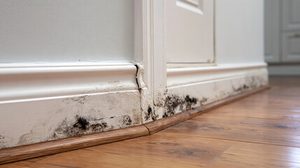
Water damage caused by sewer backups, severe storms, or faulty appliances weakens structures and causes health risks. If not addressed promptly, it can lead to mold growth and costly repairs.

The first step in water damage restoration is to remove standing water with high-powered pumps and vacuums. Hidden moisture in walls and insulation requires specialized equipment like fans and dehumidifiers for thorough drying. Contact Water Damage Repair Salt Lake City for more details.

Inspection and Assessment

Water damage can wreak havoc on your home, leading to structural deterioration and potentially dangerous mold growth. It’s important to seek professional help when the situation arises, as it can save you a lot of stress and money in the long run. The restoration process is a complex one that requires knowledge and expertise, including inspections, water extraction, drying and dehumidification, cleaning and disinfecting, carpentry repairs, and even mold remediation if necessary.

Before tackling any restoration work, experts carefully survey the affected area to identify all damaged areas and materials. This inspection can include the use of tools like infrared cameras and moisture meters to find water pockets that may not be visible to the naked eye. Professionals can then develop an appropriate mitigation, remediation, and restoration strategy.

Once the inspection is complete, the next step is to start removing standing water. This is a crucial phase, as it can significantly reduce the amount of water damage and prevent further deterioration. Professionals will typically use industrial-grade pumps and wet/dry vacuums to remove large volumes of water quickly.

After the water is removed, restoration professionals will focus on drying the affected area. They will monitor moisture levels with a variety of tools, and may conduct air balancing to ensure all affected materials are dried evenly. This can take a few days or up to a week depending on the severity of the water damage.

During this stage, professionals will also clean and sanitize all affected areas and materials. They will also address the source of the water intrusion and turn off electricity to eliminate safety risks. They will create room-by-room logs that detail floor type, wall and ceiling involvement, visual damage, moisture readings, and any other relevant information. This will allow for clearer communication with insurance carriers and an accurate assessment of the loss.

Once the affected areas and materials have been cleaned, sanitized, dried, and restored, they are ready for renovation. This can involve repairing or replacing building components, such as drywall and insulation. It might also require cosmetic repairs, such as painting and refinishing.

Water Extraction

When water intrusion occurs, it must be addressed promptly to minimize damage and avoid escalating repair costs. This is especially true if the source is a faulty appliance, a burst pipe, a severe storm or flooding from a sewer backup. It’s also critical for restoring a home’s structural integrity and eliminating lingering moisture that promotes mold growth.

Water extraction is a crucial step in water damage restoration, and it’s often one of the first services sought by property owners following a flood. Water extraction professionals work to identify and isolate the problem area, halt the flow of water, and remove standing water. This helps prevent significant structural damage, speeds up the drying process and limits the occurrence of mold growth.

The first step of this process is to conduct a thorough inspection and assessment. A professional will examine the affected areas to determine their level of saturation and categorize the type of water involved (clean, gray or black). This information helps the team decide on the best approach for the extraction and mitigation processes.

After the inspection, the water restoration crew will address safety hazards including loose furnishings, compromised electric sockets and damp walls. They’ll turn off electricity if necessary, and use moisture sensors and meters to assess the condition of materials and the amount of water that has penetrated them. This is important because if the structure absorbs too much water, it may collapse and cause additional damage.

Once it’s safe to proceed, the team will employ pumps and industrial vacuums to remove water from floors, ceilings and building cavities. This can be a time-consuming task depending on the volume of water and the complexity of the structure. During this phase, professionals also work to dry out the affected areas by using specialized drying systems and fans that circulate air over surfaces and expedite the evaporation of moisture. They’ll also use EPA-approved disinfection and sanitization solutions administered via foggers to kill bacteria and eliminate odors.

This step of the restoration process can take a few weeks to complete, but it’s an important part of the recovery process that reduces the risk of long-term water damage and enables homeowners to get back on their feet faster.

Reconstruction

Water damage caused by a burst pipe, severe storm, or faulty appliance can lead to structural issues and health risks. The restoration process involves inspecting the affected area, removing water, cleaning and disinfecting, and repairing or replacing damaged materials.

This is a crucial first step to protect the integrity of your home or commercial property. Inspecting the water damage and identifying the source will help to prevent further damage and save money by minimizing the amount of repair work needed. Inspecting areas of your property can also help identify hidden water damage, such as behind walls or underneath flooring. This information will be used in the inspection and assessment phase to develop a water removal and water remediation plan.

During this phase, restoration professionals will remove any remaining standing water from the property using industrial-grade pumps and wet vacuums. Depending on the amount of water involved, this can take up to a week. This is a critical part of the process because leaving water in place can lead to structural damage, mold growth, and other problems. In addition, the longer a material remains wet, the more difficult it is to dry and could require replacement.

Once all the water has been removed, technicians will use moisture meters and thermal imaging cameras to check the structure of your home or commercial property for any additional damage or moisture. This will give them a better idea of the timeline for the rest of the water damage restoration process.

The duration of this phase depends on the type and severity of water damage as well as the weather conditions. Warm, humid weather slows down the drying process while dryer, colder weather speeds it up. In addition, certain types of materials like drywall and carpet can take longer to dry than less-porous materials. During this stage, you may need to remove and replace furniture and personal items that have been affected by the flood.

Once all the water has been extracted and your property is dry, restoration experts will test for any signs of mold or mildew. If necessary, they will use specialized cleaning agents to eliminate any bacterial contamination and restore materials that have been severely affected by mold.

Documentation

Discovering water damage in your home is a chaotic event, but turning chaos into a structured process dramatically reduces risk, cost, and restoration time. This comprehensive water damage restoration checklist helps homeowners, insurance agents, and restoration contractors navigate the process from initial safety and stopping the source to final repairs and cleanup. It also provides a framework for streamlining insurance claims, and offers best practices for mastering documentation. This includes identifying and recording all damages, maintaining an inventory of water-damaged items, capturing moisture readings with moisture meters, creating proof-of-loss and damage documents, communicating clearly and consistently with clients and insurance adjusters, and documenting every step of the restoration process.

Water damage restoration is a multi-step process that involves inspection, assessment, and drying/dehumidification of affected areas and materials, cleaning and sanitizing contents, and making necessary repairs. It can also include mold remediation if necessary. The timelines for each component of the process can vary depending on a variety of factors, including the type and severity of water damage and the amount of work required to address it.

The water damage restoration timeline starts with a thorough inspection and assessment of the affected property, which is followed by a detailed estimate of the required repair and replacement services. This detailed scope of work is vital for both the insurance adjuster and the restoration contractor, as it ensures that all parties are aligned on the scope of the project and any associated costs.

Appliance reconnection: For kitchen appliances like dishwashers and disposals, the removal and professional reset may require careful disconnection for access, protection during construction, and proper reconnection upon completion. Baseboard and trim restoration: Water damage often affects decorative or structural elements such as baseboards and trim, requiring careful removal to preserve reusable materials, measurement and procurement of replacement pieces, and professional installation with matching finishes.

Insurance Adjusters are typically juggling multiple claims and may be prone to delaying or rejecting the rebuild estimate, which is why many restoration companies have policies in place such as Flood & Fire Solutions’ that rebuilds cannot begin until either 1.) insurance has approved the rebuild estimate and all related quotes, or 2.) you sign a letter of guarantee agreeing to cover any invoice whether insurance approves it or not.

Top Reasons to Hire Expert Cabinet Painters for a Stunning Finish

Painting cabinets may seem simple enough, but it can be stressful and difficult without experience. Expert painters are skilled in the process and use high-quality materials that provide durability and beauty.

Moreover, Modesto Cabinet Painters often use low-volatile organic compound paints to reduce air pollution and improve indoor air quality. They also use proper surface preparation for a smooth application.

cabinet painters

High-Quality Paints

Cabinet painting can make an immediate impact on the look and feel of your kitchen or bathroom. However, achieving the sleek, flawless finish you want doesn’t happen by simply grabbing a can of paint and going to work. Professional cabinet painters use high-quality paints, meticulous preparation techniques, and specialty tools to create a stunning result that will last for years.

When you work with a trusted cabinet painting company, you’ll receive detailed cleaning, precise sanding, dust control, spray application, full reassembly, and more. Ask each potential contractor about their process to see how they approach each stage of the project. Look for a team that takes pride in their work and stands behind their work with transparent estimates and warranties.

Professionals also have access to high-quality cabinet paints and finishes that are designed specifically for home cabinetry. These superior materials provide a durable barrier against moisture, scratches, and temperature changes, protecting your cabinets for the long term.

Finally, experienced cabinet painters understand how many coats are required for maximum durability and what type of paints and primers are best suited for each material. They know what it takes to achieve a smooth, even finish without drips or inconsistencies.

Taking on a cabinet painting project yourself can be extremely time-consuming, especially if you don’t have the proper skills and equipment. You may end up with uneven results and have to redo sections if you make mistakes along the way. By hiring professionals, you’ll save time and money and get the updated kitchen or bathroom you deserve sooner. Contact a reputable cabinet painting company today to discuss your vision for your home’s cabinetry and find out how they can bring it to life.

Expert Color Matching

A fresh coat of paint is a great way to breathe new life into outdated cabinetry. However, achieving the perfect color match requires a keen eye for detail. Even small differences stand out, especially if they aren’t properly blended. A professional painter has extensive experience working with a wide range of colors and sheens. They can recommend a shade that complements your kitchen’s existing decor and accentuates your home’s unique style.

Professionals also understand how to prepare surfaces for painting, including sanding, priming, and applying multiple coats of finish. This ensures your finished product will last for years. Plus, they can complete the entire project in a fraction of the time you’d spend attempting to do it yourself. This allows you to enjoy your newly refreshed cabinets while minimizing the disruption to your daily routine.

Hiring professionals reduces the risk of costly mistakes. Amateur attempts often result in uneven finishes, drips, and other flaws that require additional work to repair. Using high-quality materials and professional tools, like specialized spray systems that create glass-smooth finishes, professional painters ensure the job is done right the first time.

Experts also prioritize low-volatile organic compounds (VOC) paints, which help improve indoor air quality and prevent harmful respiratory side effects. They can help you select the best cabinet paint to suit your needs, whether you prefer a trendy sage green or classic white. They can also advise on how to coordinate your cabinetry with other elements of your space, like your countertops, flooring, and lighting. Having a professionally painted kitchen is a huge selling point for your home. It boosts your home’s value and appeal, making it a more attractive option for buyers in a competitive market.

Reduced Risk of Mistakes

Painting cabinets can be a labor-intensive project, especially if it’s not done properly. Expert cabinet painters know how to make quick work of the task without sacrificing quality. They use the right tools and techniques for a smooth finish that lasts for years without chipping or peeling. This eliminates the need for expensive touch-ups and saves time and money in the long run.

A professional painter uses specialized equipment like airless sprayers that deliver an even coat and eliminate the need for brush strokes. They also know how to apply a protective topcoat that prevents moisture damage and enhances the durability of the finish. This protects the investment you’ve made in your home and saves you the hassle of having to redo the job down the road.

Choosing a color for your cabinets can be overwhelming with so many shades, finishes, and undertones to consider. A professional with cabinet-specific experience can help you navigate the options and select a hue that complements your kitchen, home aesthetic, and lighting. They may even offer samples or swatches so that you can test the color in your space before committing.

When choosing a contractor for your cabinet painting project, it’s important to verify their credentials and check references to ensure that they’ve completed similar projects successfully. It’s also a good idea to request a warranty for the work they complete to give you peace of mind. However, be wary of contractors who demand full payment upfront or before the job is finished – this is often a sign that they’re not taking their work seriously. By asking thoughtful questions up front, you can find a cabinet painting professional who will exceed your expectations and provide stunning results for years to come.

Comprehensive Service

Cabinet painting is not just about applying the paint, but also about preparing the surface for a beautiful finish that will last. Professionals know this and use proper preparation techniques to ensure the new coat of paint will adhere well and not chip or peel over time. This will save homeowners money in the long run by reducing the need for touch-ups and repairs that can occur over time.

Professional cabinet painters will take the time to properly prepare the surface and remove all hardware before they begin painting. This will ensure that all surfaces are painted evenly and no areas will be missed or uncovered. They will also clean the cabinets to remove any grease, dirt, or residues that can cause the paint to fail over time. In addition, painters will sand all surfaces to create a smooth base for the new coating. Then they will apply a primer that is designed specifically for cabinetry to block bleed-through and help the color adhere well to the surface.

Finally, they will apply several coats of paint using commercial-grade sprayers to ensure a smooth, even finish. This will eliminate the streaks, brush marks, and drips that are so common in DIY projects.

Updating your kitchen or bathroom cabinets with a fresh coat of paint is an affordable and effective way to refresh the space and boost your home’s value and appeal. By hiring professional cabinet painters, homeowners can avoid costly mistakes and achieve a stunning transformation that will stand the test of time. With high-quality materials and advanced techniques, professionals will deliver a flawless finish that homeowners can enjoy for years to come. To get started on your project, contact a local cabinet painting company for a free estimate.

Peace of Mind

Cabinet painting is a detailed process that takes experience to execute correctly. Professionals understand how to prep surfaces, apply paint evenly, and handle every detail for a flawless finish that will last for years to come. This attention to detail ensures that your cabinets look Pinterest-worthy and can withstand daily use.

Choosing the right contractor is crucial for a successful cabinet painting project. Ask about their training, licensing, certifications, and references from past clients. A trustworthy cabinet painter will be happy to provide these materials to give you a better sense of their professionalism, attention to detail, and work quality.

In addition to being a key indicator of work quality, the number and type of projects they have completed are important factors to consider. A good cabinet painter will have a strong portfolio that includes pictures of previous jobs and client testimonials. Seeing examples of their work will help you determine whether they are a good fit for your project and can be trusted with your valuable home.

When hiring cabinet painters, it is also important to inquire about their daily and final cleanup procedures. A reputable contractor will provide you with a timeline of how long they expect to be on-site each day and at what times, as well as a plan for removing and storing their tools and equipment at the end of each day. This will help you plan your schedule and avoid disruptions to your daily life. They will also be able to provide advice on how to best protect your cabinets during the curing process, which is an essential step in ensuring that your finish lasts for years to come.

Protecting Your Ride with Comprehensive Auto Insurance

Auto insurance is a vital tool for safeguarding both your vehicle and your financial well-being. Accidents, theft, natural disasters, or unexpected events can occur at any time, making insurance coverage essential for every driver. Understanding the types of auto insurance, the factors that affect coverage, and how to make informed decisions ensures that you are adequately protected while on the road.

car insurance

The Importance of Auto Insurance

Driving carries inherent risks, and auto insurance provides financial protection against these uncertainties. It helps cover repair costs, medical expenses, and legal liabilities that may arise from accidents. Without proper coverage, even minor accidents can result in significant financial strain.

Beyond financial security, auto insurance also promotes responsible driving. Policies often incentivize safe behavior through lower premiums for drivers with clean records, safe driving courses, or vehicle safety features. In many regions, auto insurance is legally required, ensuring that all drivers have a basic level of protection.

Types of Auto Insurance Coverage

Auto insurance is not a one-size-fits-all solution. Understanding the different types of coverage helps drivers select policies that suit their needs:

  • Liability Coverage: Covers damages or injuries caused to others in an accident for which you are at fault. This includes property damage and bodily injury, protecting you from significant financial liabilities.
  • Collision Coverage: Pays for repairs to your vehicle after a collision, regardless of fault. This is particularly useful for newer or high-value vehicles.
  • Comprehensive Coverage: Protects against non-collision-related incidents such as theft, vandalism, fire, natural disasters, or hitting an animal.
  • Personal Injury Protection (PIP): Covers medical expenses for you and your passengers after an accident, sometimes extending to lost wages or rehabilitation costs.
  • Uninsured/Underinsured Motorist Coverage: Provides protection when an accident involves a driver who lacks adequate insurance or no insurance at all.
  • Gap Insurance: Covers the difference between your car’s current market value and the remaining balance on a loan or lease, often used for newer vehicles.

Selecting the right combination of coverages depends on the value of your vehicle, your driving habits, and your personal risk tolerance.

Factors Affecting Auto Insurance Premiums

Insurance premiums vary based on several factors. Understanding these can help you make cost-effective choices:

  • Driving History: A clean record with few or no accidents typically results in lower premiums. Traffic violations or prior claims can increase costs.
  • Vehicle Type: The make, model, and age of a car influence premiums. High-performance or luxury vehicles often carry higher insurance costs due to repair expenses and theft risk.
  • Location: Areas with higher traffic density, crime rates, or accident frequency may result in higher premiums.
  • Coverage Level: Policies with higher coverage limits and lower deductibles usually cost more but provide greater financial protection.
  • Age and Experience: Younger or less experienced drivers may face higher rates, reflecting higher statistical risks.
  • Safety Features: Vehicles equipped with anti-theft devices, airbags, and advanced safety systems may qualify for discounts.

By assessing these factors, drivers can choose policies that balance affordability with comprehensive protection.

Choosing the Right Auto Insurance Policy

Selecting an appropriate auto insurance policy involves careful consideration of personal needs and circumstances:

  • Assess Your Risks: Evaluate the likelihood of accidents, theft, and other potential hazards. Consider how much financial protection you need.
  • Compare Policies: Review coverage options, limits, deductibles, and premiums. Comparing multiple providers helps find the best value.
  • Understand Policy Terms: Pay attention to exclusions, conditions, and limitations. Knowing what is covered prevents surprises during a claim.
  • Seek Professional Advice: Insurance agents or financial advisors can help clarify complex policies and recommend appropriate coverage.
  • Update Regularly: Life changes such as moving, purchasing a new vehicle, or adding drivers to your policy may require adjustments to maintain proper coverage.

Choosing the right policy ensures peace of mind and protects against unexpected financial burdens.

Filing a Claim and Getting Support

Filing a claim is a critical aspect of using auto insurance effectively:

  • Report Promptly: Notify your insurance provider immediately after an incident. Timely reporting facilitates faster processing.
  • Document the Damage: Take photographs, gather witness statements, and maintain records of repairs or medical expenses.
  • Follow Procedures: Adhere to the insurer’s claim process, including providing necessary documentation and completing forms accurately.
  • Communicate Clearly: Maintain open communication with your insurance representative to resolve the claim efficiently.

Efficient claims handling ensures that coverage delivers the intended protection without unnecessary delays or complications.

Benefits of Maintaining Auto Insurance

Maintaining comprehensive auto insurance provides multiple advantages:

  • Financial Protection: Covers repair costs, medical bills, and legal liabilities that may arise from accidents or unexpected events.
  • Peace of Mind: Knowing you have coverage reduces stress and allows you to focus on driving safely.
  • Legal Compliance: Many regions require minimum insurance coverage, and compliance avoids fines, penalties, or license suspension.
  • Vehicle Security: Comprehensive and collision coverage ensures that your investment is protected from various risks.
  • Support Services: Many insurers offer roadside assistance, rental car coverage, and other services that enhance convenience during emergencies.

Auto insurance is not just a legal requirement; it is a crucial safety net for drivers, passengers, and property.

Tips for Saving on Auto Insurance

While insurance is essential, there are ways to make it more affordable:

  • Bundle Policies: Combining auto insurance with home or other insurance policies may provide discounts.
  • Maintain a Clean Record: Avoid accidents and traffic violations to qualify for lower premiums.
  • Increase Deductibles: Higher deductibles can reduce monthly premiums, though it requires readiness to cover smaller expenses out of pocket.
  • Utilize Discounts: Look for discounts related to safe driving courses, low mileage, vehicle safety features, or loyalty programs.
  • Review Annually: Reassessing coverage each year ensures you are not paying for unnecessary or outdated options.

Smart decisions about coverage and discounts allow drivers to maintain protection while managing costs effectively.

Auto insurance is a fundamental aspect of responsible vehicle ownership, protecting against accidents, theft, natural disasters, and liability risks. By understanding the types of coverage, factors affecting premiums, and the process for selecting and maintaining a policy, drivers can make informed decisions that ensure both safety and financial security.

Investing in auto insurance is an investment in peace of mind, legal compliance, and protection for you and others on the road. With proper coverage, careful selection, and timely claims management, auto insurance enables drivers to navigate life’s uncertainties confidently, keeping vehicles and finances safe from unexpected setbacks.

Navigation